
Migrant Worker Law 2026: What Employers Need to Know
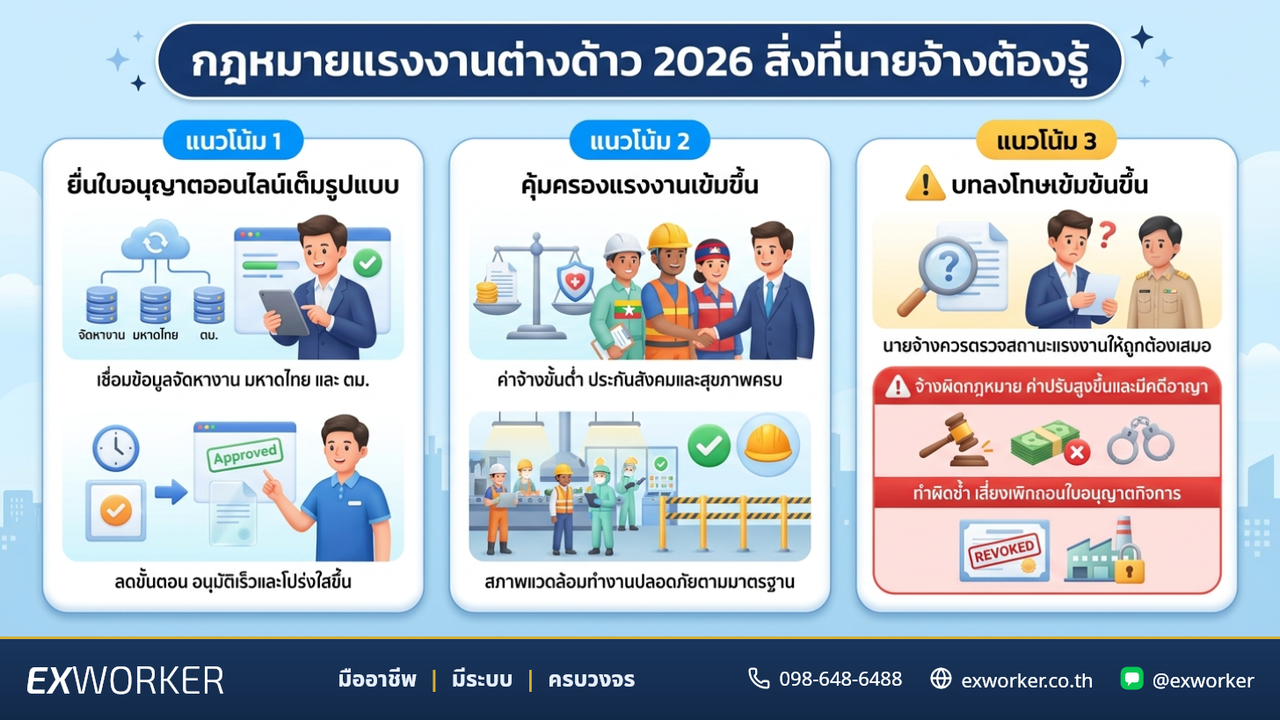
Prepare for changes to the Migrant Worker Law 2026 that employers need to know. Exworker summarizes key points for correct employment.
📋 Migrant Worker Law Update 2026: What Employers Need to Know for Worry-Free Employment
In the rapidly changing business world, managing migrant workers in compliance with the law is crucial for employers, especially with continuous updates and new laws. For the upcoming year 2026, significant changes are anticipated in migrant worker laws, which all employers need to understand and prepare for to ensure smooth, safe, and legally compliant business operations. This article from Exworker will delve into key issues employers must know to effectively adapt and plan.
🔍 Why Keep an Eye on Migrant Worker Law 2026?
Migrant worker laws are continuously developed and updated to align with the country's economic, social, and security situations. Changes in 2026 may stem from several factors, such as elevating labor protection standards to international levels, facilitating labor management through digital technology, or even preventing human trafficking and illegal labor issues. Employers understanding the origins and trends of these changes will help them prepare wisely and avoid potential problems in the future.
📋 Key Issues Expected to Change in 2026
Although the details of the 2026 law have not yet been officially announced, based on current government trends and policies, we can anticipate key issues that may be revised as follows:
- ✅ Full Digitalization of Work Permit Application Processes:
To increase convenience, speed, and reduce steps, employers may need to become more familiar with submitting applications and various documents through online systems, which will significantly reduce travel and save time. The system will link data between relevant government agencies, such as the Department of Employment, the Ministry of Interior, and the Immigration Bureau, to ensure faster and more accurate verification and approval. This also includes establishing clear and transparent criteria for consideration to reduce disputes and increase confidence for employers and workers.
- ✅ Stricter Labor Protection and Welfare Measures:
The government tends to place greater emphasis on protecting migrant worker rights. Employers may need to ensure strict compliance with minimum wage laws and provide essential welfare benefits, such as social security, health insurance, and a safe and hygienic working environment, in accordance with higher standards. Neglecting these matters could lead to severe penalties and irreparably damage the organization's reputation.
- ✅ Harsher Penalties for Non-Compliance:
To enhance law enforcement, penalties for employers who hire illegal workers or fail to comply with various regulations are expected to become more severe. This includes higher fines, criminal prosecution in serious cases such as human trafficking or forced labor, and the revocation of business licenses for repeat offenders. Employers must therefore exercise greater caution and always ensure the correct status of their migrant workers.
- ✅ Control and Oversight in Specific Industries:
Additional regulations may be issued for migrant workers in certain high-risk industries or those with specialized labor needs, to ensure efficient allocation and control of labor and prevent issues of labor shortages or misuse of labor. Employers in these industries must therefore closely monitor news and updates.
🏢 Impact on Employers and Your Business
Changes in law inevitably affect employers directly, both in terms of management and costs:
- 🔹 Documentation and Administrative Burden: Even with the shift to digital systems, understanding new systems, collecting data, and preparing accurate electronic documents will remain a challenge requiring time and resources.
- 🔹 Employment Costs: Increased wage standards, welfare benefits, and various fees may lead to higher migrant worker employment costs, which employers must consider in budget planning.
- 🔹 Legal Risks: Failure to comply with new laws may result in fines, legal proceedings, and reputational damage, which could impact long-term business operations.
- 🔹 Organizational Image: Strict compliance with laws will help build a positive organizational image, demonstrating social and labor responsibility.
⚠️ Ignoring changes in migrant worker laws can lead to massive fines, lawsuits, and irreparable damage to an organization's reputation. Proactive preparation is key to sustainable business operations.
- 📌 Monitor News Closely: Regularly check announcements from the Department of Employment, the Ministry of Labor, and relevant agencies.
- 📌 Check Documents and Worker Status: Ensure that the work permits and other documents of all migrant workers are always correct and up-to-date.
- 📌 Review and Update Internal Organizational Policies: Review internal regulations and employment contracts to align with potential new laws.
- 📌 Train Relevant Staff: Provide knowledge and understanding to HR staff or those responsible for migrant worker care to ensure correct work performance.
- 📌 Consult Experts: If there are any doubts or uncertainties on any issue, seeking advice from migrant worker law experts or companies providing migrant worker services, such as Exworker, will help employers ensure that operations are fully compliant with the law.
💡 Exworker is Ready to Be Your Trusted Employer Consultant
As experts in migrant worker affairs, Exworker understands the complexities and challenges employers face. We are ready to advise and assist employers in understanding and complying with changing migrant worker laws, including preparing documents, submitting applications, and resolving various potential issues, so that employers can fully focus on their core business without worrying about labor laws.
📅 Summary and Next Steps
The 2026 migrant worker law update is an opportunity for employers to review and elevate their labor management standards. Proactive preparation, close monitoring of news, and consulting experts will be key to helping employers confidently navigate changes and operate their businesses sustainably in the future.

Comments
2 commentsกฎหมายใหม่ปี 2026 มีอะไรที่นายจ้างต้องปรับในทางปฏิบัติบ้างครับ เริ่มบังคับใช้เมื่อไหร่
สวัสดีค่ะ 😊 ขอชี้แจงให้ชัดก่อนนะคะว่า บทความนี้เป็นการมองแนวโน้มล่วงหน้า ยังไม่ใช่กฎหมายที่ประกาศใช้แล้ว จึงยังไม่มีวันเริ่มบังคับใช้ที่ยืนยันได้ค่ะ ถ้ามีประกาศจริงเมื่อไหร่ เราจะอัปเดตวันที่ลงในบทความนี้ สิ่งที่นายจ้างลงมือเตรียมได้เลยตอนนี้ โดยไม่ต้องรอกฎหมายใหม่ 1) ย้ายงานเอกสารเข้าระบบออนไลน์ให้คล่อง — เปิดใช้และตรวจสิทธิ์บัญชี e-WorkPermit ของกิจการให้พร้อม 2) จัดแฟ้มเอกสารลูกจ้างให้ครบและตรงกับที่แจ้งไว้ (สัญญาจ้าง ค่าจ้าง เวลาทำงาน ที่พัก) เพราะแนวโน้มการตรวจสอบสวัสดิการเข้มขึ้นทุกปี 3) ตรวจว่าลักษณะงานจริงของลูกจ้างตรงกับที่ระบุในใบอนุญาต — จุดนี้เป็นเหตุถูกปรับที่พบบ่อยที่สุด ถ้าต้องการให้ทีมงานช่วยตรวจแฟ้มเอกสารลูกจ้างก่อนล่วงหน้า ทักมาที่ LINE @exworker ได้ค่ะ
Leave a comment
Signed-in comments appear immediately — no review wait.
Every comment is reviewed before it appears.